How to Check for Hail Damage on Your Roof in Anna Texas
After a hailstorm passes through Anna TX, you may be wondering whether your roof has hidden damage. We help homeowners just like you assess their roofs with free inspections, clear documentation, and honest advice. You do not need to climb onto your roof or make any decisions today, just read through this guide, then decide if a professional inspection makes sense for your home.
Why Hail Storms in Anna TX Damage Roofs
Anna sits in Collin County, which has experienced multiple severe weather events in just the past few days. On April 26, the National Weather Service issued a severe thunderstorm warning for Collin County with half-dollar-sized hail (1.25 inches) and wind gusts up to 60 mph, affecting areas including Plano, Allen, Wylie, and surrounding communities .
Just two days later, on April 28, another severe thunderstorm brought walnut-sized hail (1.5 inches) to Collin County, with the NWS explicitly warning of “hail damage to roofs, siding, windows, and vehicles” . A Tornado Watch covered 28 North Texas counties, including Collin County on April 28, with forecasters warning of “destructive giant hail” and damaging winds .
When hailstones of that size strike an asphalt shingle roof, they can cause damage that is not always visible from the ground. Hail can knock protective granules off shingles, exposing the underlying asphalt to sunlight and weather. Over time, this accelerates aging and can lead to leaks. Hail can also create small fractures or bruises in shingles, soft spots that feel like a bruised apple when touched.
These impacts may not leak immediately, but they weaken your roof. A storm that happened just days ago could be the reason you notice a water stain on your ceiling tomorrow.
We have inspected hundreds of roofs across Anna, Van Alstyne, and Plano, and in many cases, homeowners were surprised to learn that damage existed even when nothing looked wrong at first glance. After the April 26 and April 28 storms, we have already seen increased calls from Anna homeowners who found gutter dents and granule loss they had not noticed before.
Signs of Storm Damage Inside the Home
After a hailstorm, take a few minutes to walk through your home and look at your ceilings, especially on the top floor. Look for:
- New yellow or brown stains on ceilings or upper walls
- Water rings that were not there before the storm
- Peeling paint or bubbling drywall texture
- Soft spots when you gently press on a ceiling
- Musty odors that were not present before
A leak in one part of your roof can run along a rafter and drip down somewhere else entirely. That is why a professional inspection is so important, we use moisture meters and thermal imaging to find water that your eyes cannot see.

What Homeowners in Anna Can Safely Look For
You do not need to climb onto your roof to begin checking for storm damage. In fact, we strongly recommend that you stay on the ground. Here is what you can look for safely.
Check your gutters and downspouts. Metal gutters show hail impacts clearly. Look for fresh dents, dimples, or shiny spots where hail removed the paint. If your gutters were hit, your roof likely experienced the same hail size.
Look at your downspout elbows. Granules that have been knocked off shingles often collect in gutter downspouts. If you see piles of dark, sand-like material around your downspout elbow, that could be granule loss from your shingles.
Walk your property and look for fallen debris. Pieces of shingle in your yard, driveway, or flower beds suggest that your roof lost material during the storm. Even small fragments indicate that wind or hail impact was severe enough to break shingles.
Check metal fixtures around your home. HVAC units, outdoor lighting, garden sheds, and metal fencing can all show hail dents. If you see fresh dents on these surfaces, the same hail that hit them also hit your roof.
Look at your fence line. Strong winds often accompany North Texas hailstorms. Leaning or broken fence boards can tell you how severe the wind was in your specific neighborhood.
None of these checks require you to leave the ground. If you see any of these signs, we recommend scheduling a professional inspection.
Why Professional Roof Inspections Find What Homeowners Miss
We are often asked: “If I check my roof from the ground, is that enough?” The honest answer is no. Ground-level checks are helpful for spotting obvious debris or gutter dents, but they will never reveal the full condition of your roof.
Here is what a professional inspection includes that you cannot do from the ground:
- Walking the roof surface. Our inspectors walk every slope of your roof, checking for soft spots, lifted shingles, and hail bruises that are invisible from below.
- Granule loss measurement. We check valleys, ridges, and downspout areas for signs of excessive granule loss — a key indicator that shingles are aging or damaged.
- Flashing and sealant inspection. The metal flashing around chimneys, vents, and skylights is a common leak point after storms. We check every penetration.
- Thermal imaging (for interior). If you have a ceiling stain, we use thermal cameras to see how far moisture has spread inside your wall or ceiling cavity.
- Written documentation with photos. After every inspection, we provide a written report with photographs of any damage we find. This documentation is essential if you decide to file an insurance claim.
We do not charge for these inspections. We offer them free because we believe Anna homeowners deserve to know the true condition of their roofs without financial pressure
What Happens If You Wait Too Long to Inspect Your Roof
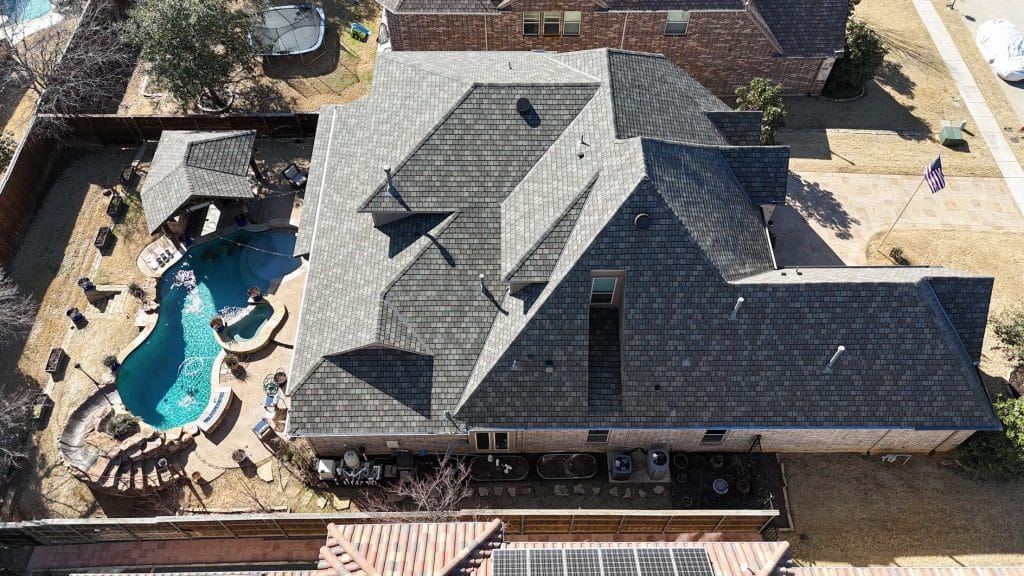
After a hailstorm, insurance companies set deadlines for filing claims. If you wait months to discover damage, you may miss your window to file.
Hidden damage also worsens over time. A hail bruise that does not leak today may leak after three more months of Texas sun and summer storms. By the time you see a water stain on your ceiling, the damage underneath could be much more extensive, and expensive, than if you had caught it early.
We are not saying this to scare you. We are saying it because we have walked into too many Anna homes where a small, repairable leak turned into a full ceiling replacement because the homeowner waited.
How We Help Anna Homeowners After Storm Damage
When you call us after a storm, here is what you can expect.
Step 1: You call us. A real person answers our phone 24 hours a day, 7 days a week. If water is entering your home, we dispatch a crew immediately. If you are scheduling a free inspection, we find a time that works for your schedule.
Step 2: We inspect your roof. One of our certified inspectors visits your home, walks your roof, and documents everything with photos. You receive a written report before we leave, no waiting days for answers.
Step 3: We explain your options. We tell you honestly whether you need repairs, a full replacement, or simply monitoring. If you do not need work, we say so. If you do, we provide a clear, itemized estimate.
Step 4: We help with insurance Claims. If you decide to file an insurance claim, we meet your adjuster on the roof and provide our photo documentation. Homeowners who work with us often receive faster claim approvals because we provide adjusters with exactly what they need.
Step 5: We repair or replace your roof. When you are ready to move forward, our crew completes the work on your timeline. No pressure. No expiration date on your estimate.
We are local to Anna, Van Alstyne, and Plano. When you call us, you are not speaking to a call center or a storm chaser from another state. You are speaking to people who live and work in your community.

Frequently Asked Questions About Hail Damage
How do I know if hail damaged my roof?
Hail damage is not always easy to see from the ground. Common signs include missing shingles, dents in gutters or metal surfaces, and granules collecting in gutters. A professional inspection can help confirm whether any damage occurred.
Should I check my roof after every storm?
It is a good idea to briefly check your property after severe storms, especially if hail or strong winds were reported in your area. Even small impacts can sometimes affect roofing materials over time.
Can hail damage cause leaks later?
Yes. In some cases, hail damage may weaken shingles without causing immediate leaks. Over time, this damage can allow moisture to enter the roofing system.
Is it safe to climb on my roof to check for damage?
Homeowners should avoid climbing on their roofs after storms. It is safer to check from the ground and contact a professional if you suspect damage.
Do roof inspections cost anything?
Many roofing companies, including SCI Roofing & Remodeling, offer free roof inspections after storms so homeowners can understand the condition of their roof before deciding on any repairs.